Saturday, April 22, 2006

Cream Complacency

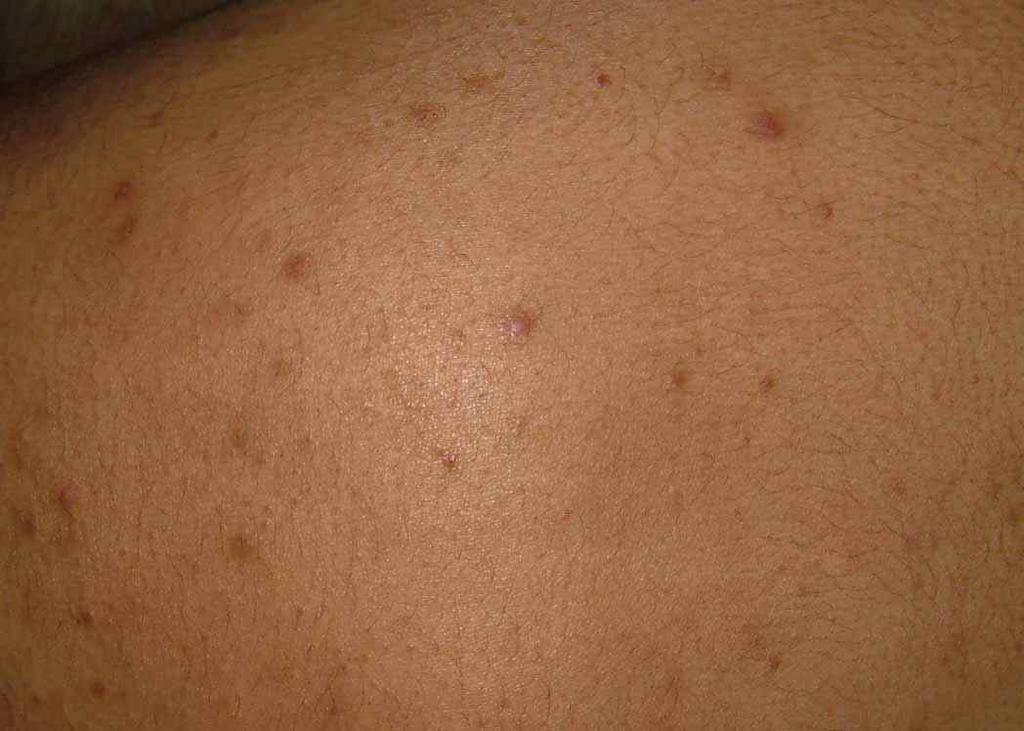
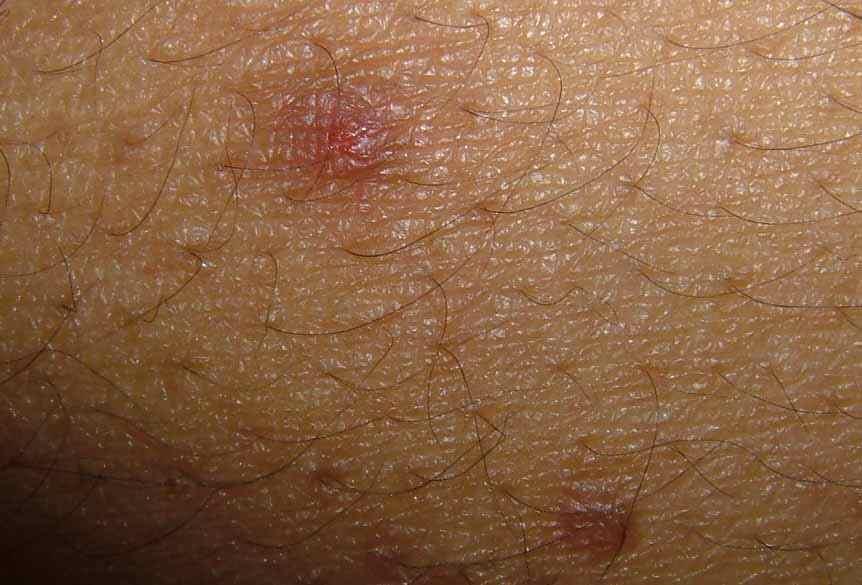
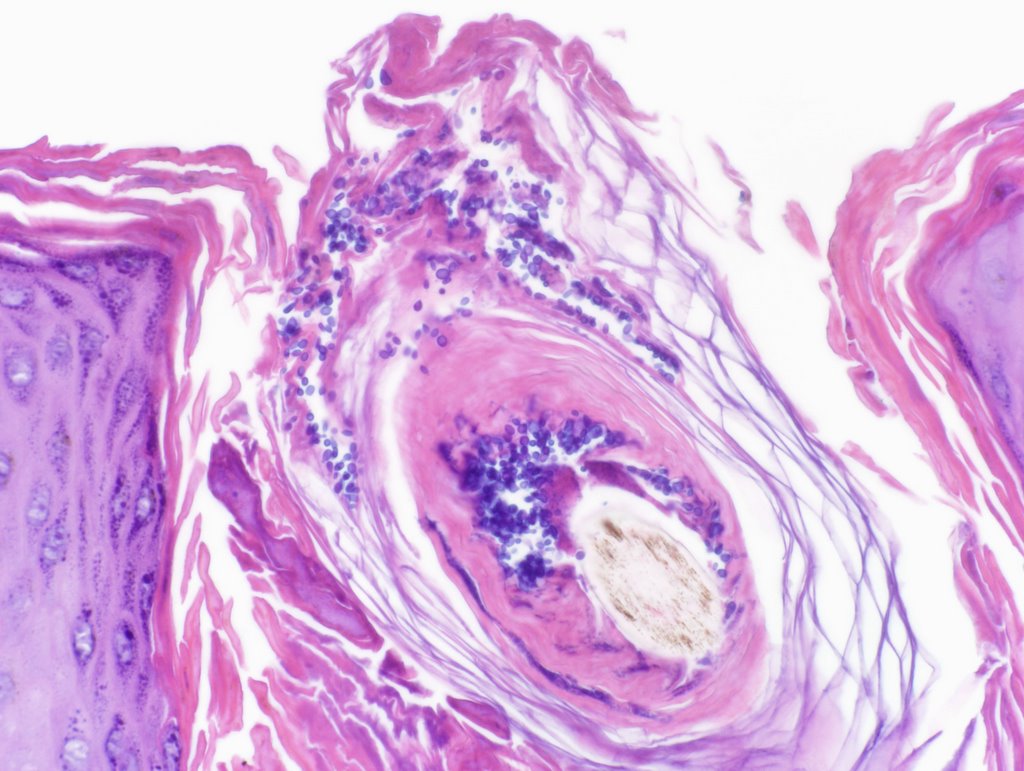
A 60 yo man was seen yesterday for pruritic papules on scalp and extremities. He had seen another dermatologist over the years and had been treated with a host of topicals including liquid nitrogen. Biopsy showed Prurigo nodularis.


[Contents of Bag Brought in by Patient]


After a few years, he developed a febrile illness, was seen in the ER where a CBC showed a WBC of 80,000. He was eventually diagnosed with a rare T-cell lymphoma. Four courses of CHOP have put him in remission.

If his prurigo becomes more active again, one wonders if this will be a harbinger of recurrence.

Sobering lesson. Prurigo may be realated to an underlying malignancy. We can all be lulled into a cream complacency and miss an important clue. I can think of one or two patients over the years with unexplained excoriations who turned out to have a lymphoproliferative malignancy.

Reference:
Seeburger J, Anderson-Wilms N, Jacobs R.
Lennert's lymphoma presenting as prurigo nodularis.
Cutis. 1993 May;51(5):355-8.
Section of Dermatology, Loma Linda University School of Medicine, California.
Abstract:
Lennert's lymphoma is a peripheral T-cell lymphoma that only rarely involves the skin. We present the case of a forty-two-year-old man who experienced severe pruritus for ten months. He was repeatedly diagnosed as having neurodermatitis
and prurigo nodularis before subtle hematologic clues suggested, and subsequent examination of bone and lymph node biopsy specimens confirmed, the diagnosis of Lennert's lymphoma. This report describes the case and presents a brief review
of Lennert's lymphoma.

Friday, April 21, 2006

U.P in a Newborn


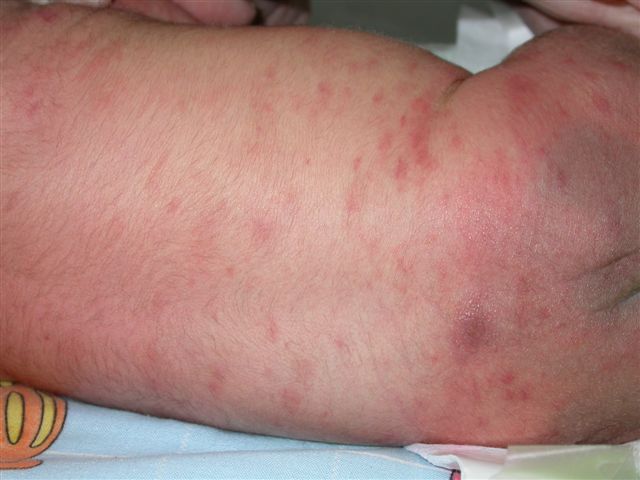
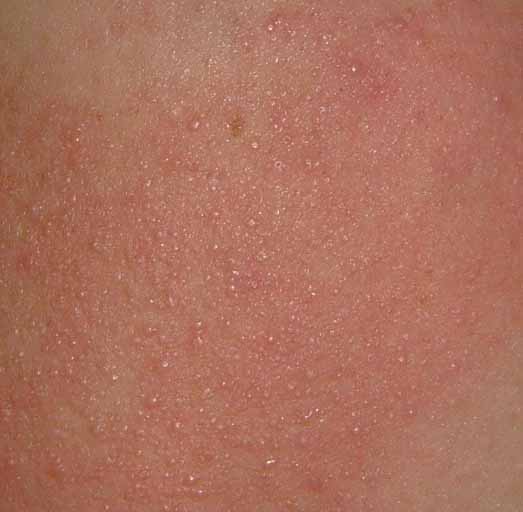
I saw a new born today at the neonatal ward. He is the first child, just delivered today by LSCS for fetal distress. Noted to have generalized erythematous wheals and papules. Some of the wheals and papules appear to form blisters. The mother had no history of any infection during her pregnancy. On examination the child appeared comfortable and not in distress. Sleeping and quiet. Afebrile. Generalised erythematous raised papules and wheals were noted on the face, trunk and upper limbs. Some of the wheals blanche with pressure. Tried to elicit darier’s sign – mild erythema but not raised. The wheals were intensely erythematous and inflamed on certain parts of the neck and face.

Clinically he has urticaria pigmentosa

His blood counts : TWBC 3100 Eosinophils 20% 
Platelets 44 000
G6PD - pending

Though the rash appeared intense, the child was comfortable. Would you have started him on oral hydroxizine? Would you investigate further – hematological malignancy, etc the parents were advised about trigger factors (rubbing) and drugs (anesthetics, etc). thanks, Henry Foong

Thursday, March 30, 2006

Unknown

What are your thoughts?


The Pathology Report: ATYPICAL LYMPHOID HYPEPLASIA
"Superficial and deep, nodular and diffuse lymphohistiocytic infiltrate forming follicular germinal centers consistent with atypical lymphoid hyperplasia.

NOTE : Immunostaining reveals a mixture of T-cells (CD3) and B-cells (CD-20). No clonal proliferation is seen on Kappa and Lambda staining. No CD-30 positive cells are noted. These findings are supportive of a lymphoid hyperplasia. If the clinical suspicion persists, follow-up of the patient is suggested"

Given the location, one wonders if this could be secondary to a tick bite (common in our area). See; Pediatr Dermatol. 2001 Nov-Dec;18(6):481-4.

Persistent atypical lymphocytic hyperplasia following tick bite in a child:
report of a case and review of the literature.

Hwong H, Jones D, Prieto VG, Schulz C, Duvic M.

Department of Internal Medicine Specialties, Section of Dermatology, University
of Texas-M.D. Anderson Cancer Center, Houston, Texas 77030, USA.

We report a 6-year-old girl who developed a red papule on the posterior neck at
the site of a previous tick bite. Initial biopsy was performed a year after the
bite and the specimen showed a dense lymphoid infiltrate with admixed CD30+
cells. The patient was referred to our center because of concern about the
development of a CD30+ lymphoproliferative disorder. The lesion was completely
excised. Histology showed no evidence of a clonal lymphoproliferative disorder
or Borrelia infection, but persistence of CD30+ cells. This case demonstrates
that a tick bite reaction can persist for more than 1 year and show
immunophenotypic and morphologic overlap with a CD30+ lymphoproliferative
disorder. Complete history with thorough clinical and histopathologic evaluation
is necessary to arrive at the correct diagnosis.


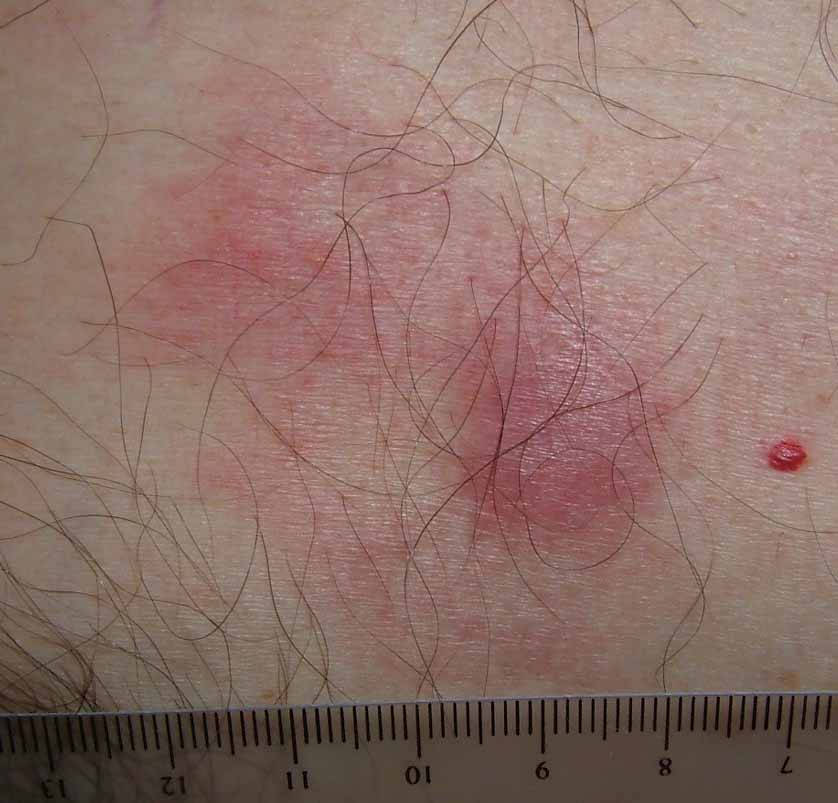
The patient is a 52 yo engineer who presents with a 2 month history of a 1.5 cm in diameter asymptomatic somewhat "spongy" presternal nodule surrounded on one side with macular non-blanchable erythema.
The clinical appearance is non-diagnostic. This may be an infiltrative process, possibly a malignancy. I have not seen anything like this before with the possible exception of a Merkel Cell carcinoma. Punch biopsies were taken from the nodule and the surrounding erythema.
The results should be back on April 3.


What are your thoughts?

Saturday, March 18, 2006

“NAILING DOWN A DIAGNOSIS”


Presented by
Brian T. Maurer, Enfield, Connecticut


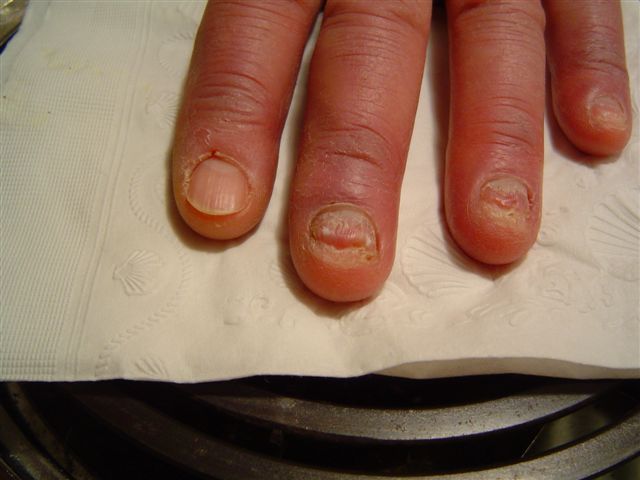
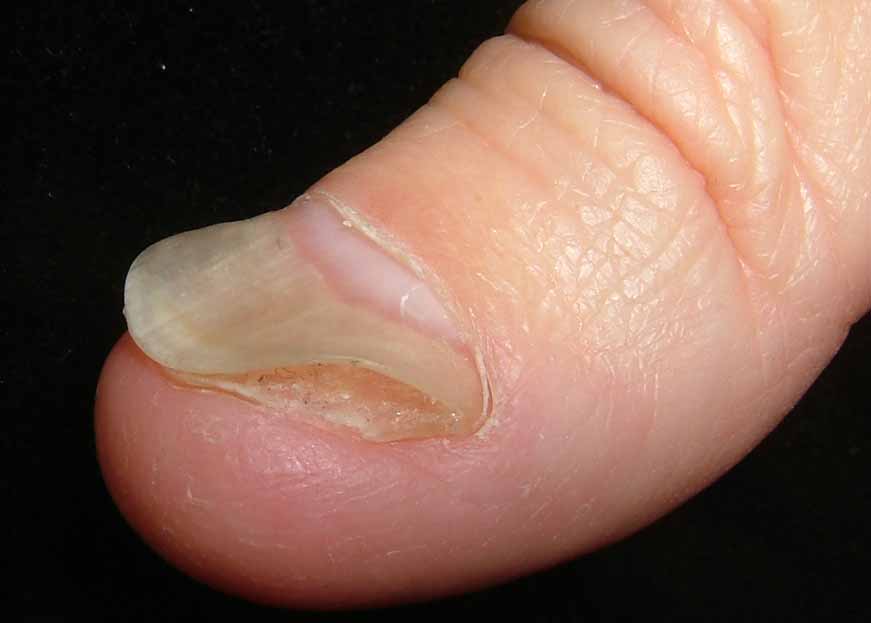
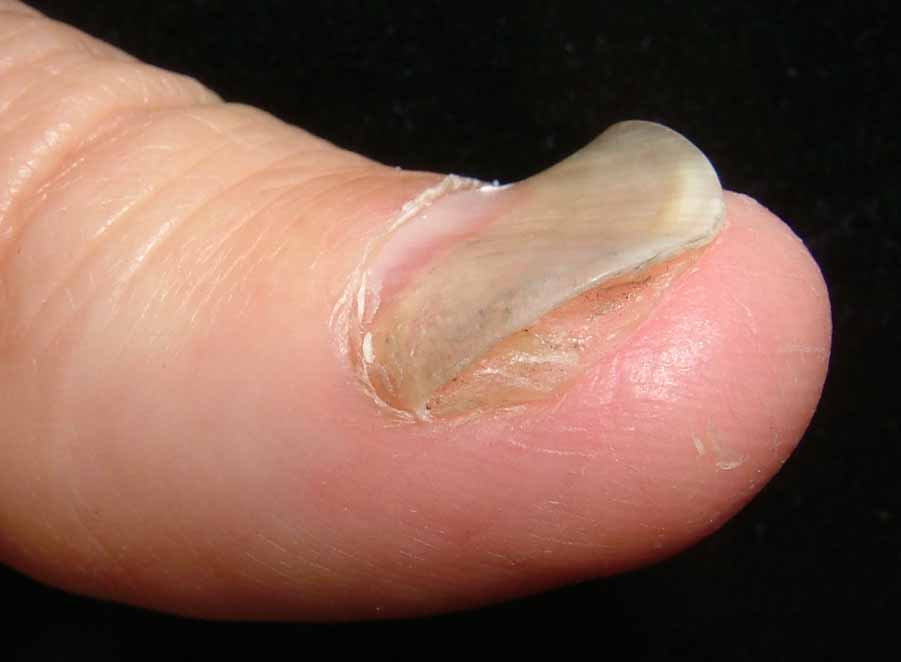
D.S. is a 72-year-old left-handed male with a three-year history of periungual inflammation coupled with periodic cracking, separation and nail loss on the 3rd, 4th and 5th fingers of the left hand. The pads of these fingers also appear erythematous and swollen with dry cracked skin.

Initially, a local dermatologist prescribed topical Lamisil without effect. A subsequent month-long course of oral griseofulvin likewise did nothing. The periungual inflammation seemed to respond to topical erythromycin; the patient reports that all symptoms subsided over the summer months, only to return with the cold autumn weather.

An amateur gardener and golfer, D.S. wears a golf glove on his left hand during summer golfing season (when the condition seems to subside). He reports that his left hand usually feels colder than the right in winter time.

With the exception of one discolored nail of the left great toe, the nails of his remaining fingers and toes appear normal; he exhibits no other form of dermatitis.

Questions: Given the history and clinical course, what is the diagnosis? Suggestions for treatment?

Tuesday, March 14, 2006

Digital Tumor

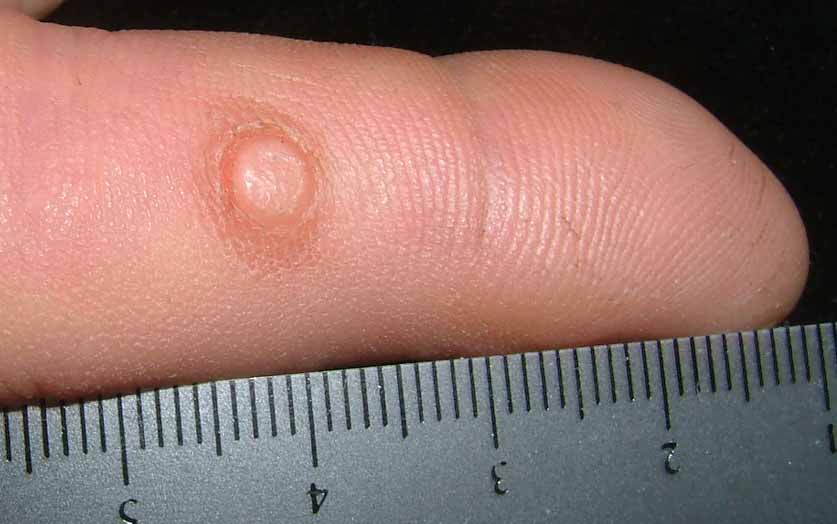
This 61 yo man presented with a 30 year history of an annoying tumor of his right index finger. It interferes with his writing in that it abuts on the area in contact with a pen or pencil. He has pared it down on numerous occasions and it has been unsuccessfully treated with cryotherapy in the past. The clinical picture is that of an acquired digital fifrokeratoma (see reference below). An excisional biopsy is scheduled.


Dupre A, Christol B, Bories M.
[Acquired fibro-keratoma. Report of 8 cases]
Ann Dermatol Venereol. 1977 Oct;104(10):611-5. [Article in French]

The acquired fibro-keratoma is a benign fibro-epithelial tumor of acquired
nature. I was set apart as a distinct entity in 1968 by Bart et al. who named it
"acquired digital fibro-keratoma". It is predominantly, although not
exclusively, located on the fingers and toes, near the phalangeal joints. The
authors report 8 personal cases and make a short general review of the disease.
The lesion is slightly prominent, well defined and surrounded by a
hyperkeratotic collar. It protrudes on the surface of the skin much like a
hernia. Histologically, it is a dermo-epidermal tumor. There is a proliferation
of connective tissue under the papillomatous, hyperacanthotic and orthokeratotic
epidermis. The mature collagen bundles, voluminous fibroblasts and numerous
enlarged capillaries are parallel to the vertical axis of the tumor. The
acquired fibrokeratoma must be differentiated from other cutaneous tumors,
particularly fibromas and Koenen's tumors. The etiology is unknown. However, it
was found in some cases that a trauma had contributed to the development of the
tumor. The only possible treatment is surgical excision.

Friday, March 10, 2006

Interesting Tumor

This 48 yo woman presented with a 2 year history of a tumor of the upper lip.
She has type III skin. The lesion in question is 6 mm in diameter.
A biopsy was done. This looks like a pigmented sclerotic basal cell.

She has a sick child and delayed her dermatology visit because she must take son to physicians often.
It's a three hour trip for him. He is 15 years old and has had polycythema rubra vera and essential thrombocythemia since age eight.

Sunday, February 26, 2006

Alopecia with peculiar regrowth pattern

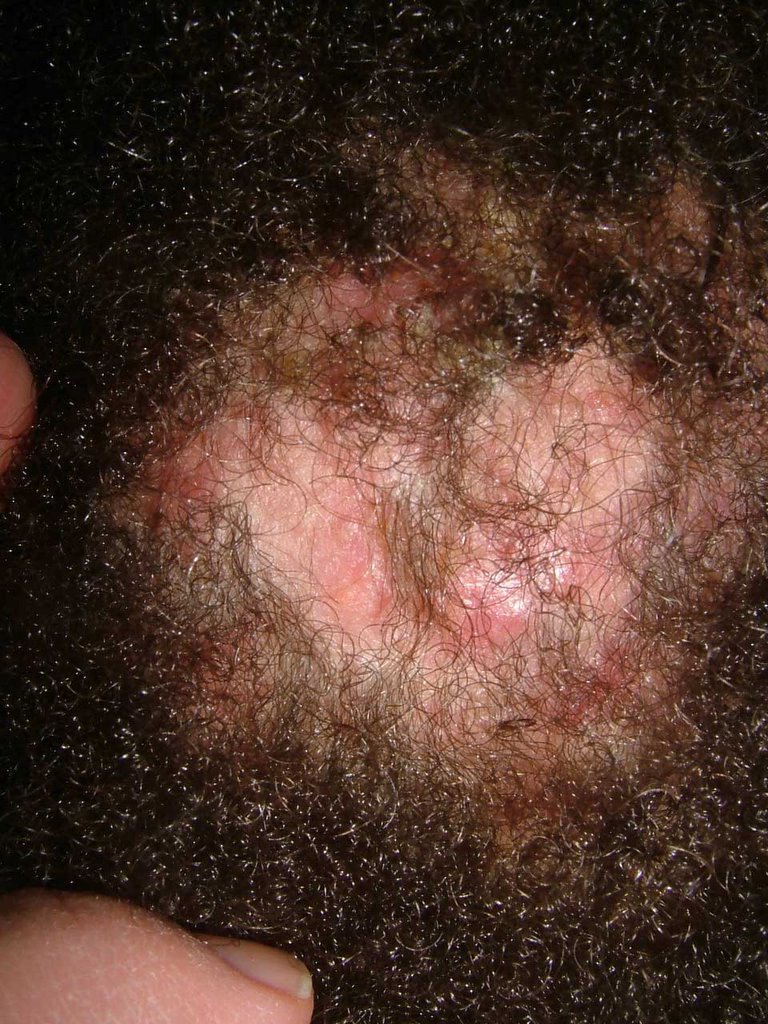
The patient is a 35 year old healthy man who presented with alopecia of the scalp of 1 year duration. Many topical therapies were tried with no response. On examination, there was classical alopecia areata. I gave him IM triamcinolone 40mg injection every 2 weeks with topical Dermovate oinment for 2 months. He came back with hair growth in a wavy pattern in the form of concentric circles (see Figure).. I do not have an explanation. I would appreciate any helpful comments.


Presented by Professor Khalifa Sharquie
University of Baghdad, Iraq

Saturday, February 18, 2006

From the Nail File

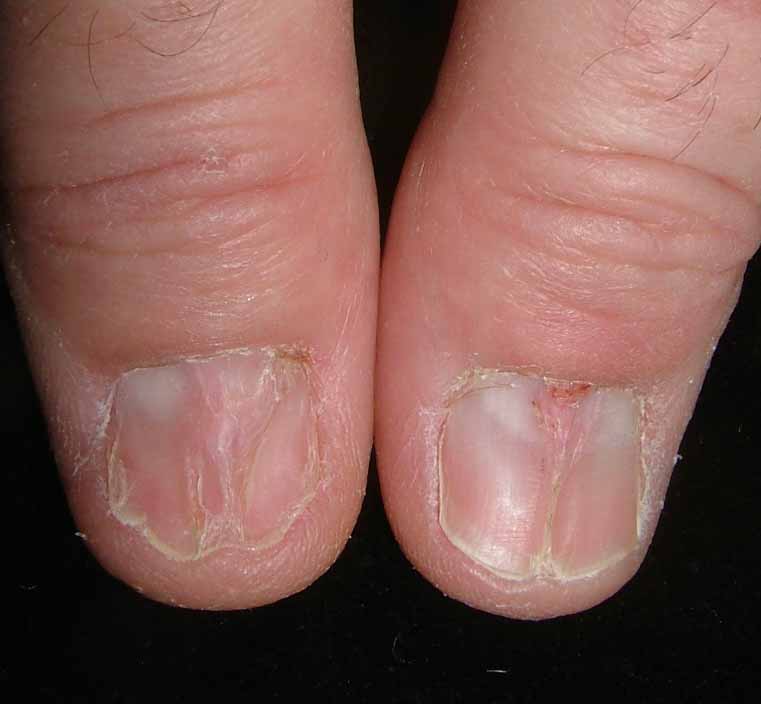
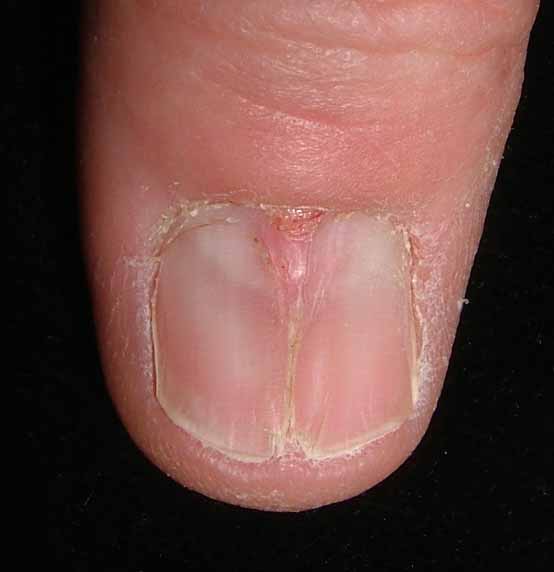
55 year old man with 6 month history of nail distrophy. Only thumbs. He works with his hands cutting film. Trauma likely.

The patient wrote:
"I noticed left thumbnail change in appearance in late August 2005. I scraped the nail down and got fluid near base. The right thumbnail became abnormal after trauma in October of 2005 showing a crack straight up the middle of the nail."


Moderator: I suspect lichen planus. Median nail dystrophy less likely.

Comments??

Saturday, February 11, 2006

Erythromelanosis Follicularis Facei

The patient is a 15 year old boy with a many year history of ruddy cheeks and a fine follicular eruption in the affected areas. He also has typical keratosis pilaris on his arms and thighs. The diagnosis of erythromelanosis follicularis of the face (also called keratosis pilaris rubra facei) is not difficult. Who has a therapeutic suggestion? I don't think the patient is ready for laser therapy yet. It was difficult to capture the depth of the erythema here which is qute striking. His sister has a similar process but is is milder.


Reference:
Stephan F, Ayoub N, Klein-Tomb L, Tomb R.
[Erythromelanosis follicularis faciei and colli]
Ann Dermatol Venereol. 2002 Jan;129(1 Pt 1):63-5. [Article in French]

BACKGROUND: Erythromelanosis follicularis of the face and neck, originally
described in Japan by Kitamura et al. in 1960, is characterized by a clinical
set of three: well-demarcated erythema, hyperpigmentation and follicular
papules. It affects the face and the neck generally on both sides. Since the
original description, it has seldom been reported in the literature. CASE
REPORTS: This paper reports two patients with unilateral presentation.
DISCUSSION: Having discussed the various differential diagnoses all published
cases were listed and analyzed. The prevalence of this disease appears higher
than is shown by the limited number of cases reported in the literature. It
deserves more recognition. Its nosologic and aetiologic frames still remain to
be clarified.

Saturday, February 04, 2006

Nail Dystrophy

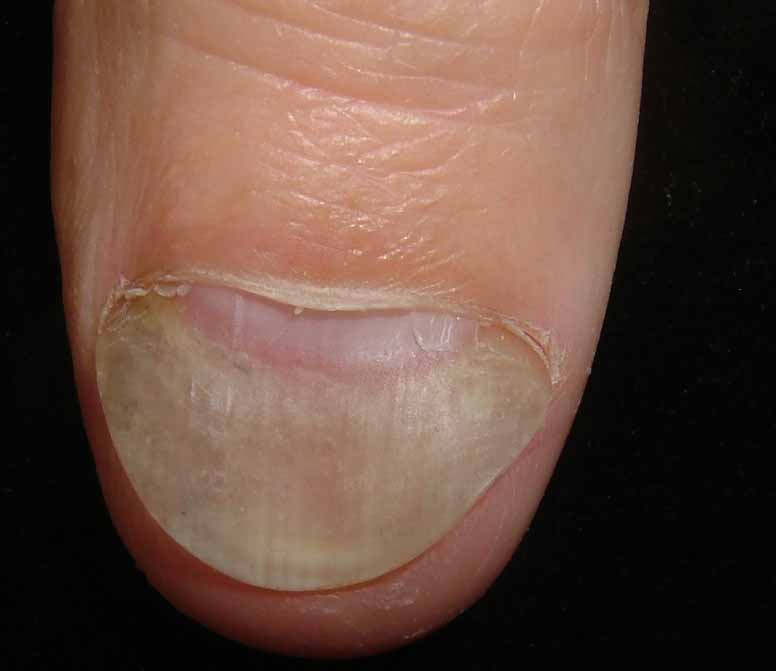
This 50 yo man has a three year history of a nail dystrophy.
I asked him to write out a detailed history:

"Started 18 months ago. Might well have contracted the condition while handling and cutting blocks of cheese as part of my former job. I used to handle and work with dozens of varieties of often moldy cheeses for three hours per week.

The condition began with a raised red ridge near the thumbnail. It was a connected series of raised red lumps about 1 to 2cm long and 3 or 4mm wide. This condition traveled progressively up and around my thumb. It always progressed one way up my thumb with the old area healing. It became a migrating „"ing of red". This went on for about six months. Often complete healing would occur, but then it would come up again right where it had left off and progress some distance more. Eventually it completely died out a little ways into the palm. There has been no trace of this symptom for a year now.

But starting also about 18 months ago the thumbnail became discolored (white and yellowish) and detached from the skin underneath. I've cut the thumbnail all the way back to the base in the hopes it will grow out correctly, but it remains detached from the skin underneath. Also the nail is misshapen: it is raised in some places and sunken in the middle. This has been the growth pattern for more than a year now. The skin underneath is clean but has a slight coating of what seems to be nail tissue on it, thus making it harder for the nail to attach itself. The nail is sound, just wavy and not attached underneath; because it is unattached underneath it is not pink, but rather it is white.


In the dermatology office there have been 2 negative KOH preps and a negative fungal culture. I did see some hyphae on one occasion. Ths question is: Is this a variant of funal nail disease, or are we dealing with onycholysis alone.

Your thoughts are appreciated.

Tuesday, January 31, 2006

Difficult BCC

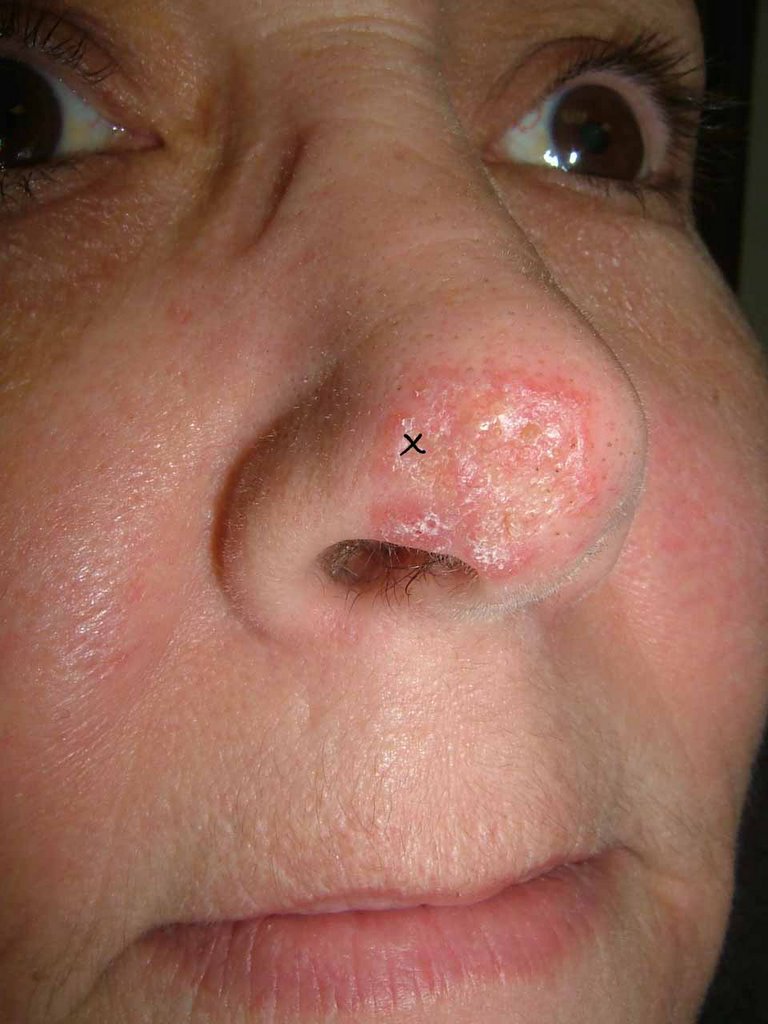
On January 30, 2006, this 49 yo woman presented with a somewhat sclerotic plaque on the blub of the nose. By history, this has been present for 1.5 years. A 2 mm punch biopsy was taken at the site marked X.


If this turns out to be BCC, I will refer for micrographic surgery. Does anyone feel radiotherapy is appropriate for a patient of this age?

First Biopsy showed no evedence of BCC or malignancy. Repeat biopsy taken. Here is another clinical photo:

Thursday, January 26, 2006

Oral Hyperpigmentation

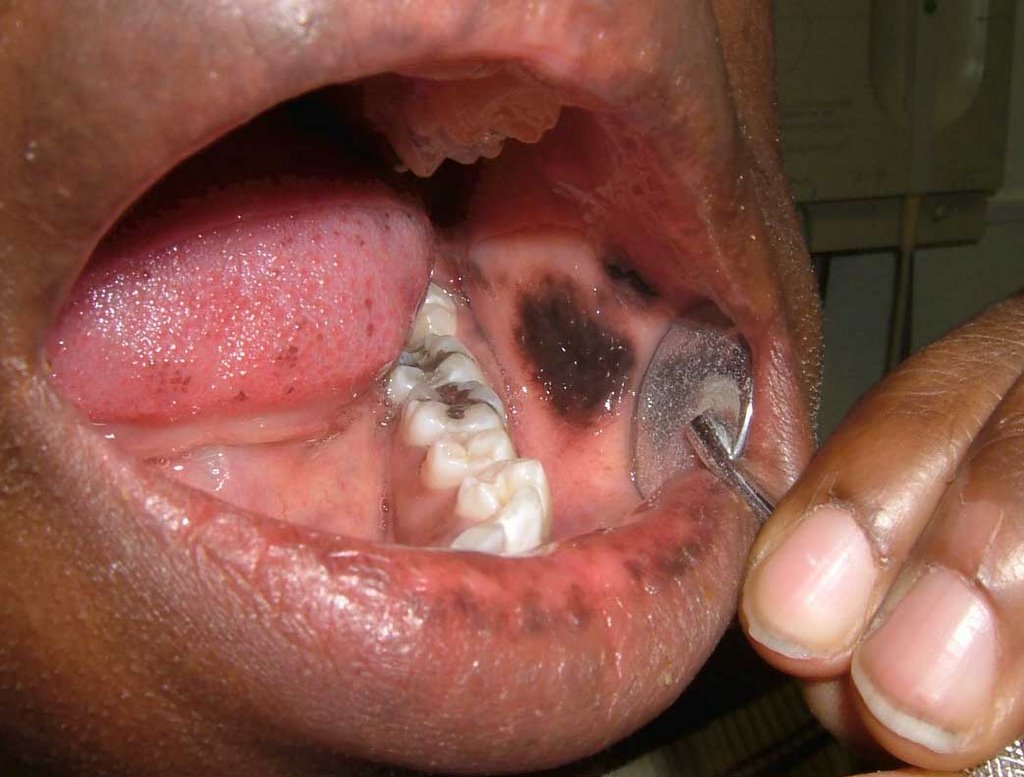
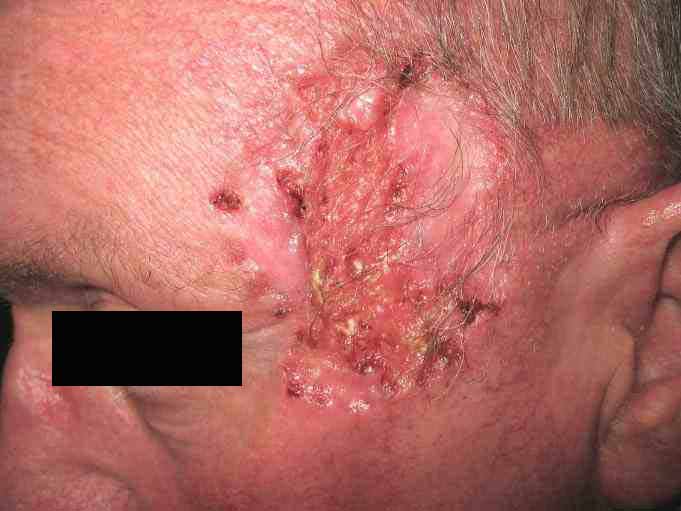
This 21 years student noticed hyperpigmentaiton of her buccal mucosae for one weeks.
She has gingival hyperpigmentation for years and has a family history of the latter.
Her health is good, and her only medication are albuterol and cromolyn sodium for asma.
No history of cancer in any first degree relation.


The examination show hyperpigmented buccal maculas measuring up to > 1 cm in diameter.
Gingival hyperpigmentation is present as well.


In the differential diagnosis I would consider pigmented fixed drug eruption, amalgam tattoo, melanoacanthoma. Biopsy may be offered. Melanoma is unlikely.
Presented by
Mordechai Pepe Grosbartt
Concepción, Chile

Tuesday, January 24, 2006

9 year old child with inflammatory alopecia

The patient is a 9 year-old girl who was in her usual state of health until September 5, 2005 when her mother applied a "hair relaxer" to her scalp. Within a few days, she developed inflammation. The process has persisted and over the past few months she has developed fluctuant areas over the scalp with alopecia and some scarring. There is moderate discomfort.

The examination shows a calm 9 year-old. Her scalp is involved globally with fluctuant nodules, some crusted. There are diffuse areas of alopecia. Some areas look scarred. Wood's light is negative. Posterior cervical lymph notes are enlarged and tender.


A bacterial and fungal culture were taken. Scalp biopsy will be performed and the patient will be started on prednisone 1 mg/kg/day and griseofulvin 25 mg/kg/day pending test results.

Working diagnosis is Inflammatory tinea capitis vs. dissecting cellulitis of the scalp.

Update February 9, 2006
The biopsies taken showed no fungfal elements, so the griseofulvin was discontinuted on Feb. 2, 2006 and patient was placed on cephalexin 50 mg/kg/day in divided doses. She did well.

On day 14, the fungal culture was positive and she was placed back on griseofulvin -- 25 mg/kg/day/ Her prednisone dose is 1 mg/kg/day.


Lesson: Scalp biopsy is not an absolute. Fungal culture takes ~ 2 weeks to be positive.
Dx: Inflammatory tinea capitis (the first diagnosis). Negative scalp bx threw me off.

Your comments are welcome.


Reference:
Tinea capitis mimicking dissecting cellulitis: a distinct variant.
Twersky JM, Sheth AP.
Int J Dermatol. 2005 May;44(5):412-4.
BACKGROUND: Tinea capitis is a common scalp dermatosis with several clinical
patterns. Only two patients with a presentation of tinea capitis mimicking
dissecting cellulitis have been described in the English literature.
OBSERVATION: We report a patient with tinea capitis mimicking dissecting
cellulitis who did not respond to griseofulvin therapy at 16 mg/kg/day but
eventually cleared after a protracted course of higher dose griseofulvin.
CONCLUSION: recognition of a dissecting cellulitis-like pattern of tinea capitis
will increase clinical suspicion and avoid inappropriate management of a
recalcitrant "dissecting cellulitis" in favor of prompt antifungal therapy of
appropriate dosage and duration for patients with this unusual variant of tinea
capitis.

Tuesday, January 10, 2006

Rapidly Growing Tumor

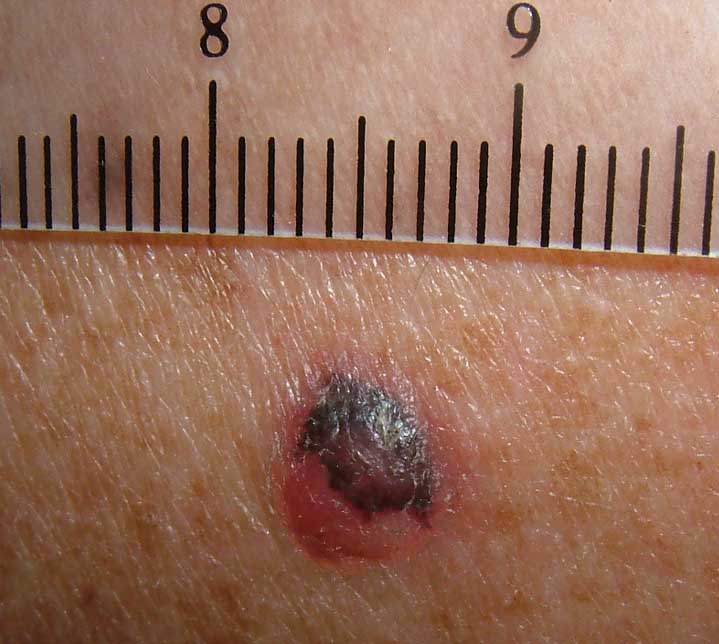
This 70 yo man presented on January 9, 2006 with a three to four month history of a lesion on his upper back. It was noticed by his wife. He has type III skin and a past history of renal cell carcinoma.


An excisional biopsy was performed.

Presumptive diagnosis is melanoma, probably nodular type.
Pigmented basal cell is another possibility, but rapid growth favors melanoma.
I do not think metastatic renal cell carcinoma would be pigmented.

January 25, 2006 -- Update
The biopsy showed a superficial spreading melanoma, 2.04 mm thick, Level IV.
The patient underwent a wide local excision with 2 cm margins. He elected not to have sentinal node biopsy.

Sunday, January 08, 2006

Suggestions for Wart Removal?

Dear Anak VGRD Members,

I am a G.P. trainee and have been having a hard time with a wart removal on a 3 year old's fifth toe. The difficulty is getting him to let anyone near it. I've seen him once, late in the day,Ƃ and my preceptor asked that the child return for freezing with the help of sedation. We are now working on what to use. I prefer to avoid having to sedate the child, and have suggested duct tape in the interim (six days on, one day off with soaking). What suggestions or tricks would you have for treating a wart in this location in a three year-old? Thank you, Tammy Grimely, Hobart, Tasmania

Wednesday, January 04, 2006

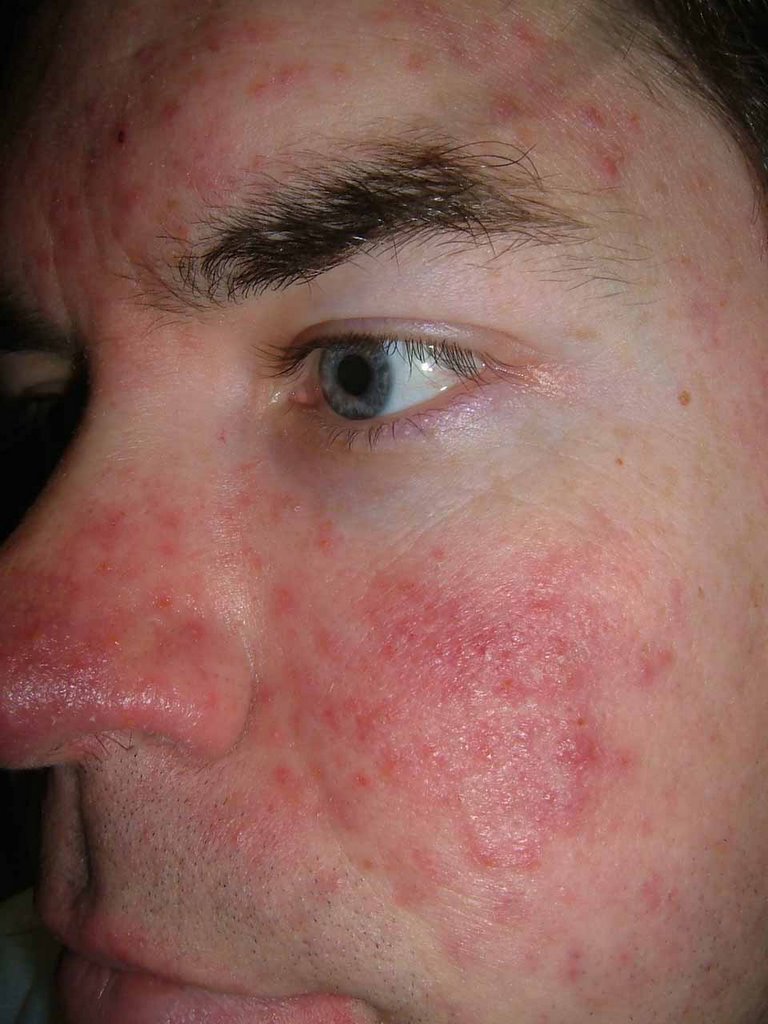
Explosive Rosacea?

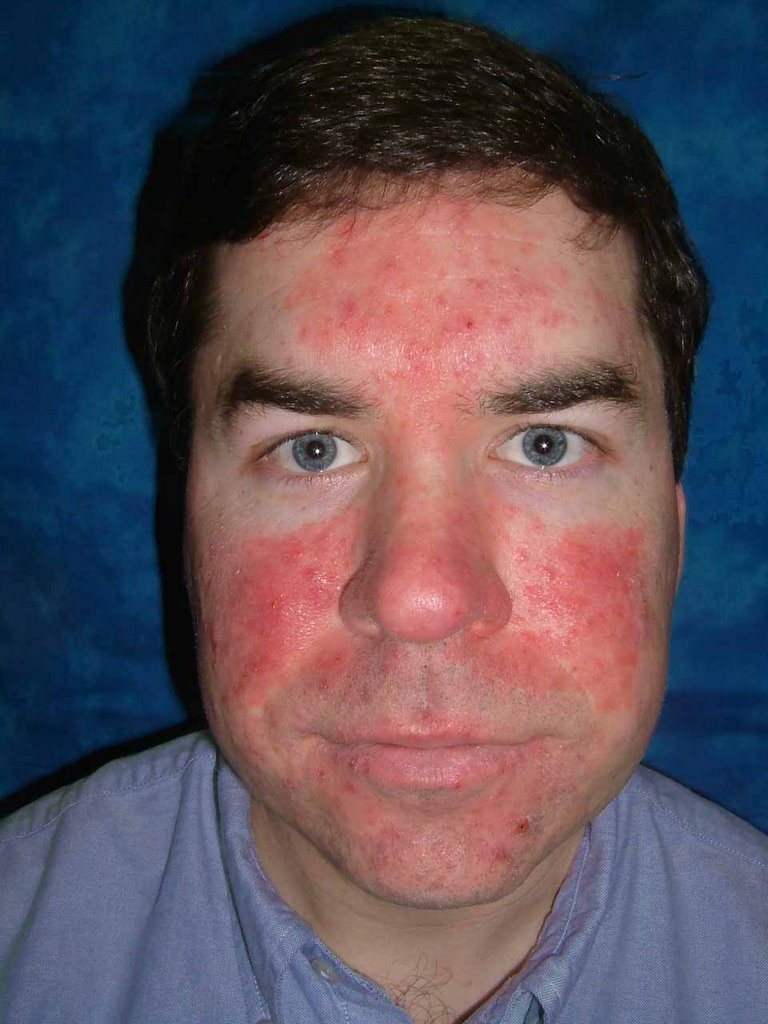
The patient is a 33 year-old executive V.P. who presents with a 6 month history of dramatic facial eruption. He had acne as a teenager but has been clear for many years. His health is good and he takes no medication by mouth. He has never used topical corticosteroids for his face.


The examination shows erythematous papules and small cysts on forehead, cheeks and chin. There are a few papules on the back, but the chest is clear.


Diagnosis: Florid Rosaca

Plan:
I will place on prednisone 20 mg bid for a week or so and isotretinoin 0.25 mg per kg for a cple of weeks and then increase to 0.5 mg per kg fir a month or two. Slowly incvrease isotretinolin to 1 mg per kg over 8 weeks and anticipate a six moth course. The prednisone will be tapered over a month to 6 weeks to avoid a flare.

I could have started with doxycycline; but isotretinoin may be more definitive; I welcom your thoughts.

Thank you,

David

Wednesday, December 28, 2005

Leg Ulcer in a Heart Transplant Patient

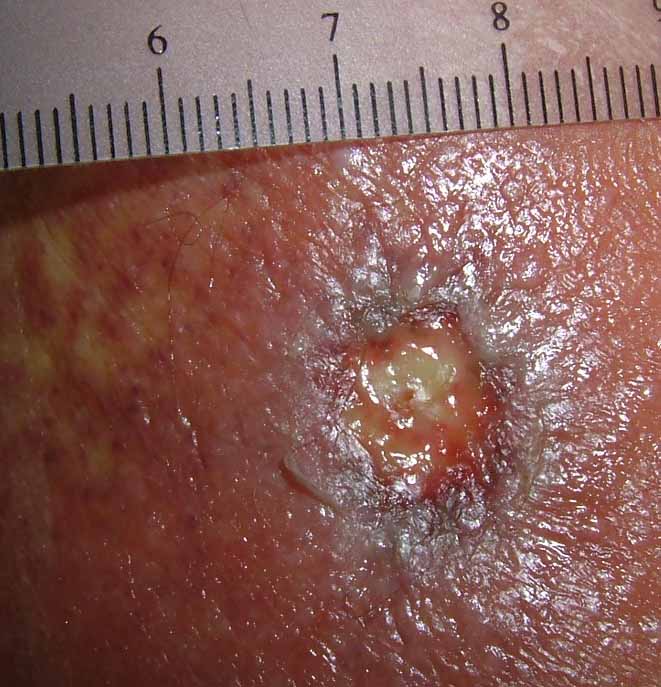
The patient is a 49 yo man with a one month history of a very painful leg ulcer.
He is 8 years s/p heart transplant.
His medications include: CsA, CellCept, Pred, Diltiazem, Ranitidine.
There was no history of trauma and no similar ulcers in the past. He works at a supermarket and is on his feet all day long at work.
This ulcer is periodically painful. He has had leg edema for over a year.

The examination shows an 8 mm in diameter ulcer with as slightly purulent surface and ragged edges.. The borders are grayish. The area surrounding the ulcer has 2+ pitting edema and is erythematous.


Bacterial culture shows only staph species
Peripheral pulses are present but weak.

No response to support stocking used for the past three weeks.

This is probably a venous ulcer, but it's a bit unusual for a 49 yo man. Diltiazem can cause edema.
The pain is out of proportion to what one would expect. I have known the patient for six years and he has not had pain like this before.
Please help with diagnostic and therapeutic suggestions.

Sunday, December 18, 2005

Retroauricular Dermatitis

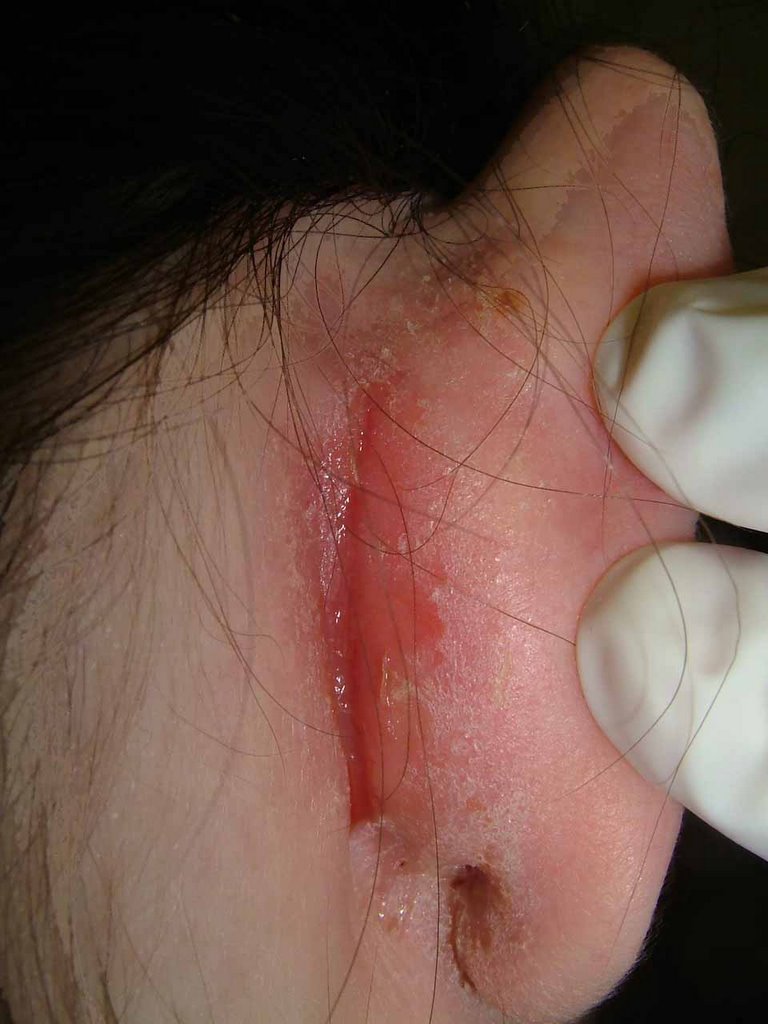
The patient is a 25 year old registered nurse with a few month history of a painful and pruritic process in the right retroauricular area. She also has mild scalp pruritus and some increased scaling of the scalp.

The exam shows a superficial erosion in the right retroauricular sulcus.


Bacterial Culture: Positive for Many Staph aureus - resistant to Pen and Erythro

Pt. Started on mupirocin cream

Note: She is an obstetrical nurse and has contact with newborns. Her staph infection is of potential import here.

Reference:
Marks MB, Gluck JC, Lavi E, Halem-Sinclair E.
J Am Acad Dermatol. 1981 May;4(5):519-22
An unsuspected sign of cutaneous allergy.
An eczematous eruption in the superior retroauricular areas of the scalp and often on the posterior aspects of the pinnas may be seen in about 30% of allergic children. The eruption is not generally noticed because the overhanging hair covers the affected areas. The dermatitis is seen mainly in those children afflicted with bronchial asthma, perennial allergic rhinitis, or both. A previous history of atopic or seborrheic dermatitis is, as a rule, not elicited.

Wednesday, December 07, 2005

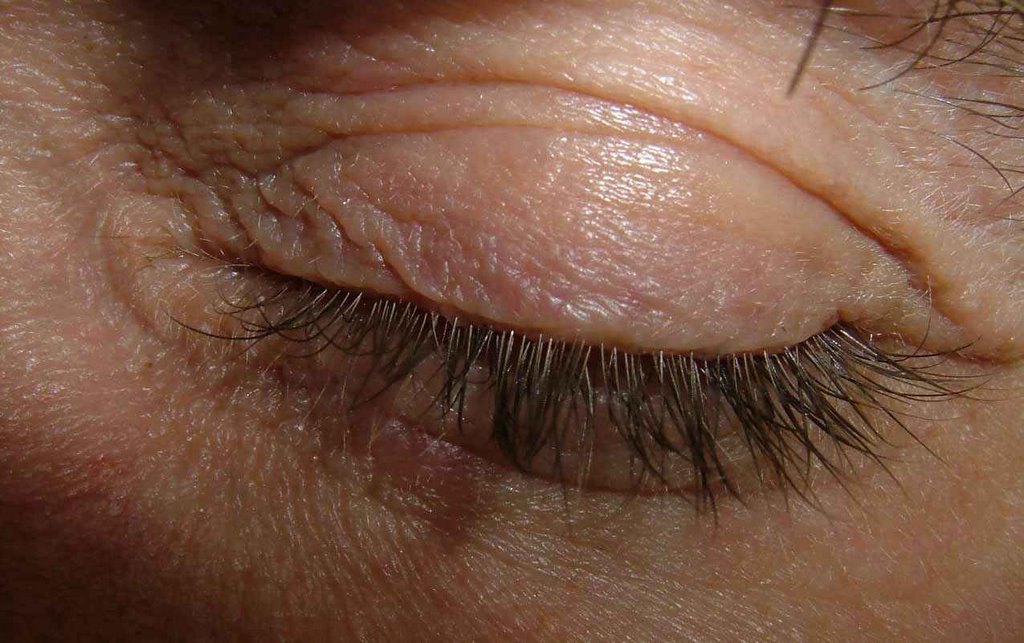
Periocular Dermatitis

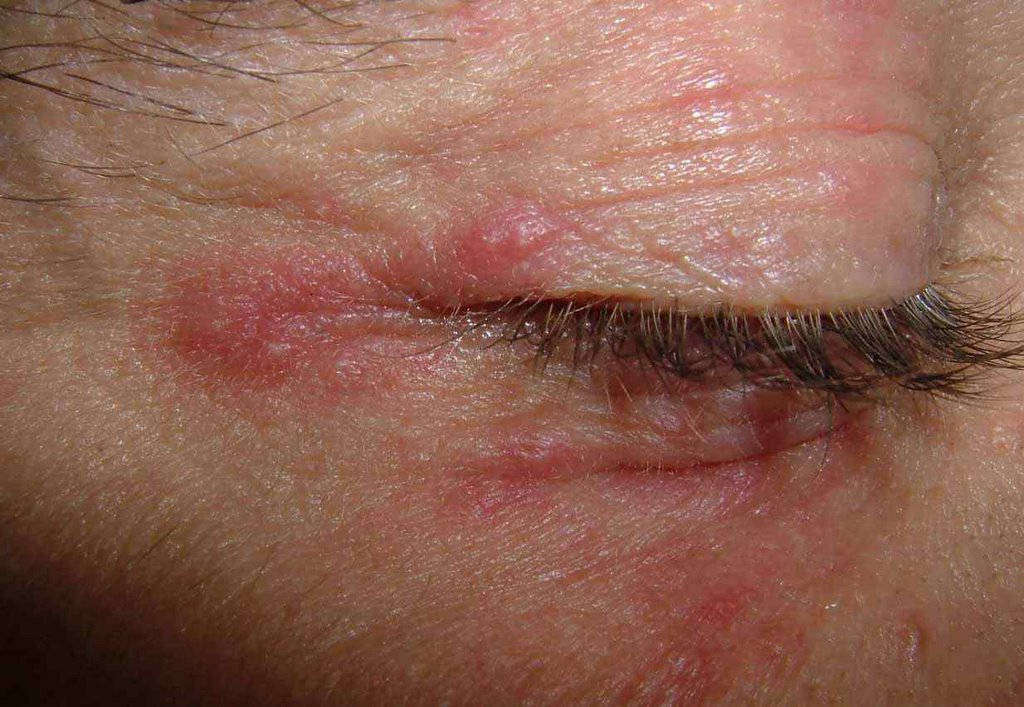
The patient is a 35 year old man who has had a right-sided eyelid dermatitis for around eight months. He was given a moderate strength topical steroid for this by his primary care physician and has been using it off and on since. When the process flares, he applies it again.

There are discrete erythematous papules around the upper and lower lids on the right side. The left eyelids are clear.

The clinical picture suggests a steroid-induced periocular acne.
Treatment: cold tap water compresses, doxycycline 100 mg. bid. Is there a role for tacrolimus ointment?

Affected Right Eye


Normal Left Eye


References:
1.
J Am Acad Dermatol. 1999 Sep;41(3 Pt 1):435-42.
Eyelid dermatitis to red face syndrome to cure: clinical experience in 100
cases.
Rapaport MJ, Rapaport V.

A retrospective review of all eyelid dermatitis patients seen over an 18-year
period revealed a large subgroup of patients who had, as the basis for their
ongoing problem, an addiction to the use of topical or systemic corticosteroids.
This group of 100 patients often sought many consultations with various
physicians. Unrelenting eyelid or facial dermatitis often resulted in the use of
increasing amounts of corticosteroids for longer periods of time. Soon the skin
became addicted. Once the work-up ruled out other causes, the remedy for the
problem was absolute total cessation of corticosteroid usage. This article
describes the typical history of the problem, the evaluation of these patients,
and the distinctive pattern of flaring erythema that ensued when the
corticosteroids were ceased. We stress the absolute necessity of total cessation
of corticosteroid use as the only treatment for corticosteroid addiction. We
also demonstrate that no additional therapy or further consultations were
necessary once remission was obtained after topical corticosteroid abuse was
stopped.

2.
West J Med. 2001 Jun;174(6):383-4.
"Tortured tube" sign.
Fowler KP, Elpern DJ.
Medical University of South Carolina Charleston, SC. Williamstown, MA, USA.
(This is available as full text - go to http://www.pubmed.gov find this article and you can see the full text version. This was a patient Dr. Fowler saw in my office 5 years ago.)

A Hunter in Deer Season

The Hunter as Hunted

[Your comments are welcomed]

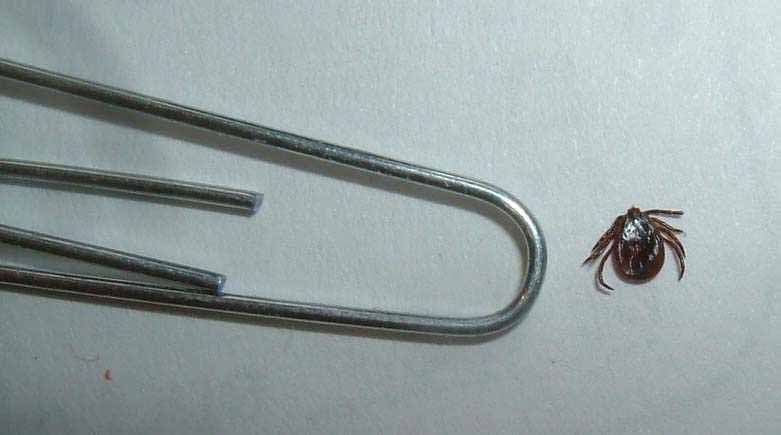
This 72 year old man was deer hunting on December 2, 2006. He remembers sitting on a log for 45 minutes and feeling as if he was being bitten. Later that day, his hunting companion removed three ticks from him. He presented on Monday, December 5 for an evaluation. The picture is taken from his left hip. The tick was gently removed and photographed with a paper clip.


Since the tick was attached for around three days, I elected to treat the patient with doxycycline 100 mg. bid for 10 days. The tick was sent to the lab for identification. I may get serologies in a few weeks. ADDENDUM: The tick was identified as a deer tick, Ioxides dammini.

Rationale for Treatment (from www.emedicine.com)
Ten days of doxycycline seem innocuous enough.
Although most patients do not require treatment, consider tick bite prophylaxis on a case-by-case basis. Base the decision on the species of the tick, duration of attachment (degree of engorgement of the tick is a surrogate marker), geography (percentage of ticks infected where the bite took place), method of tick removal, anxiety level of patient, and pregnancy (lower threshold to treat pregnant women).
After performing this exercise in clinical decision-making, one may decide to treat a given patient with prophylactic antibiotics. In the studies mentioned previously, no patient in the treatment group (which received 10 d of antibiotic treatment) had the disease. Historically, if one were to choose to treat, 10 days of oral amoxicillin, doxycycline, or cefuroxime axetil would seem prudent, depending on patient factors such as age, allergy, and pregnancy.
In one of the most recent studies (2001), a single 200-mg dose of doxycycline was used for prophylaxis with excellent results.

Wednesday, November 30, 2005

Difficult BCC


From A.R. Pito
Norfolk Island, S.P.

A friend from Australia sent me this photo with the following note.
"A.R.: I just saw this 56 yo man with a two year history of a large ulcero-nodular plaque on his left temple. Biopsy is pending but this appears to be a morpheaform BCC. Assuming this is BCC, what would your therapeutic suggestions be.
Radiotherapy?
Mohs?
In our area, we do not have a specialized cutaneous radiation centre, but he could be sent to Sydney, I suspect."

Thank you for your suggestions. You can post here or send to oslerian@gmail.com. I will append the pathology when my colleague forwards it.

Sunday, November 27, 2005

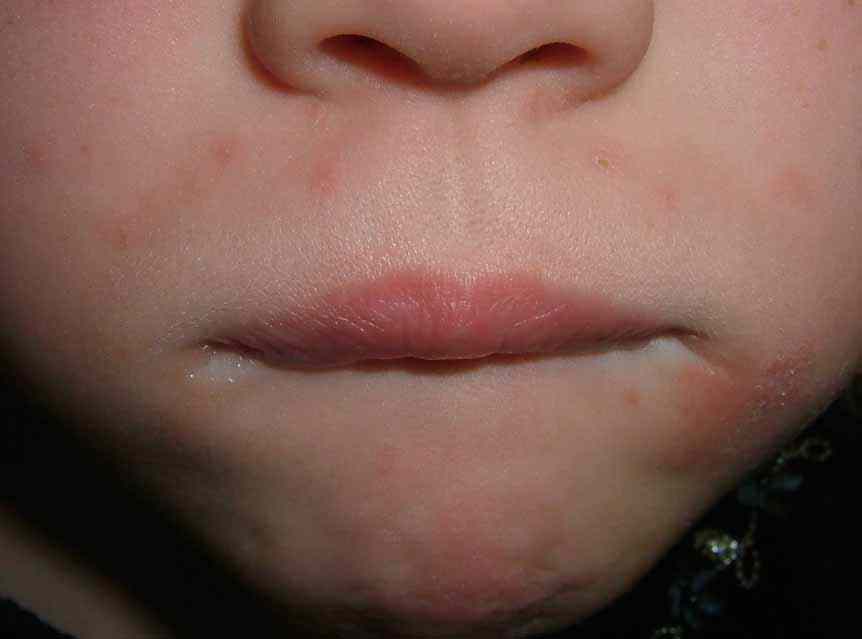
5 year old girl with perioral rash

This 5 year-old girl presents with a 5 month history of a dermatitis at angle of mouth and upper lip. There are areas of patchy erythema with scale and discrete acneiform papules. She has been treated with mupirocin cream, ketoconazole cream, and 1% HC cream. None of these have helped. She is not atopic, has no family history of atopy and is not a lip licker.
Althoug subtle, I think this is perioral dermatitis of childhood. Tetracycline is contraindicated. I wonder if systemic erythromycin would be helpful. Based on the literature, I started her on metronidazole cream and told her mother that this may take weeks to months to get better.
I would appreciate your suggestions.


Wednesday, November 16, 2005

A Patient from Ghana - Please comment

Anak VGRD members have been asked to comment on a 16 year old Ghanaian girl from a small village without any specialized medical care. In otherwise good health and of normal intelligence, since age two she has a history of small hyperpigmented papules on her face. The larger lesions on her forehead appeared over the last two years. She patient states that she doesn't manipulate any of the lesions and that they are asymptomatic. There has been no treatment. HIV status and family history are unknown. This unfortunate young woman feels like an outcast because of these lesions.

We welcome you thoughts and advice. There are medical students in her community who could perhaps perform diagnostic testing if needed.

Tuesday, November 15, 2005

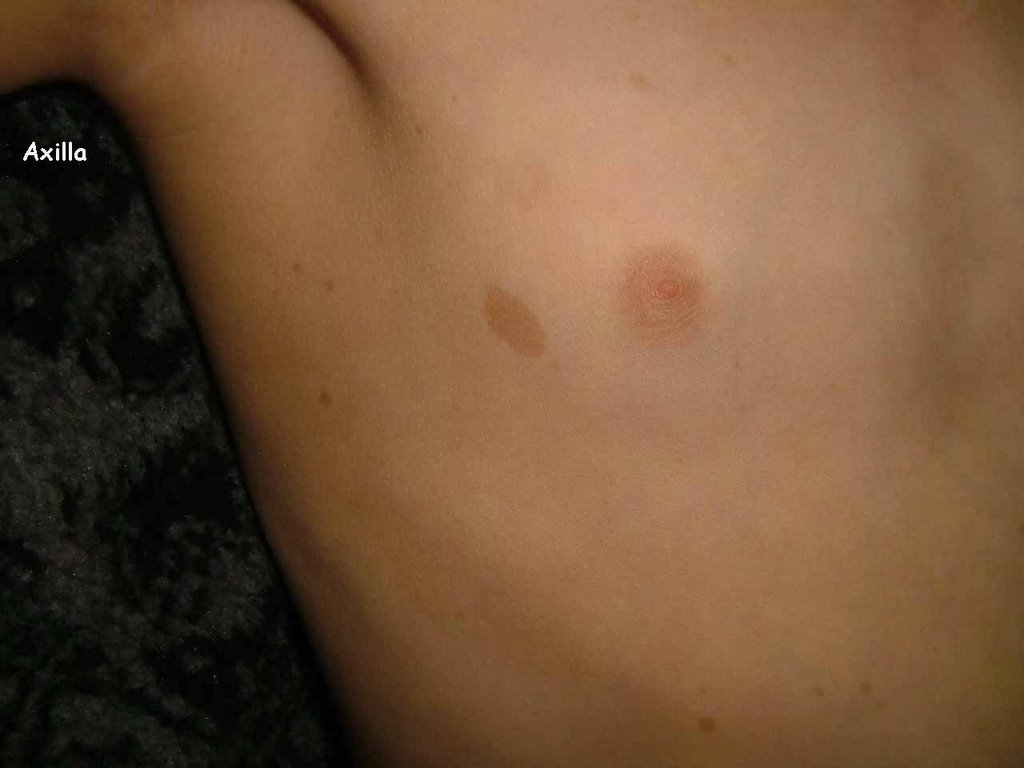
? Segmental Neurofibromatosis


The patient is a three year-old girl with 2 cafe au lait spots on right arm and chest since she was a few months old and many small "freckles" on right chest and axilla (see photo). There are a few freckles on the right upper back as well. No pigmented lesions on any other area. Have not looked for Lisch nodules yet.

Athough it may be too early to tell, I suspect this is segmental neurofibromatosis. Most cases of segmental NF are diagnosed because of tumors. There are probably some that only manifest as CLS or freckling. Of course, we will have to wait years in this case to see what develops.

Does anyone have ideas as to wha to tell the parents?

Saturday, November 12, 2005

BCC of Eyelid

This is a 75 yo man who came in for an unrelated problem.
This tumor was obvioius, however.
Two years ago, and ENT physician told him he had a "blocked duct."
This 6 mm in diameter lesion looks like a BCC.
I propose to excise it but am worried about pulling down the lower lid.
I don't think C&E or Aldara would be appropriate. Mohs might be overkill.
Do you have any comments? I would, oif course, try to undermine the tissue.

84 yo Man with Atrophie Blanche

The patient is an 84 yo man with a ten year history of extremely painful ulcerations of his lower legs.
Other than whirlpool baths, I have found nothing to be of value.
His health is good and he has bounding dorsalis pedis and posterial tibial pulses.
I assume this is Atrophie Blanche.
Do you have any therapeutic suggestoins?


Tuesday, November 01, 2005

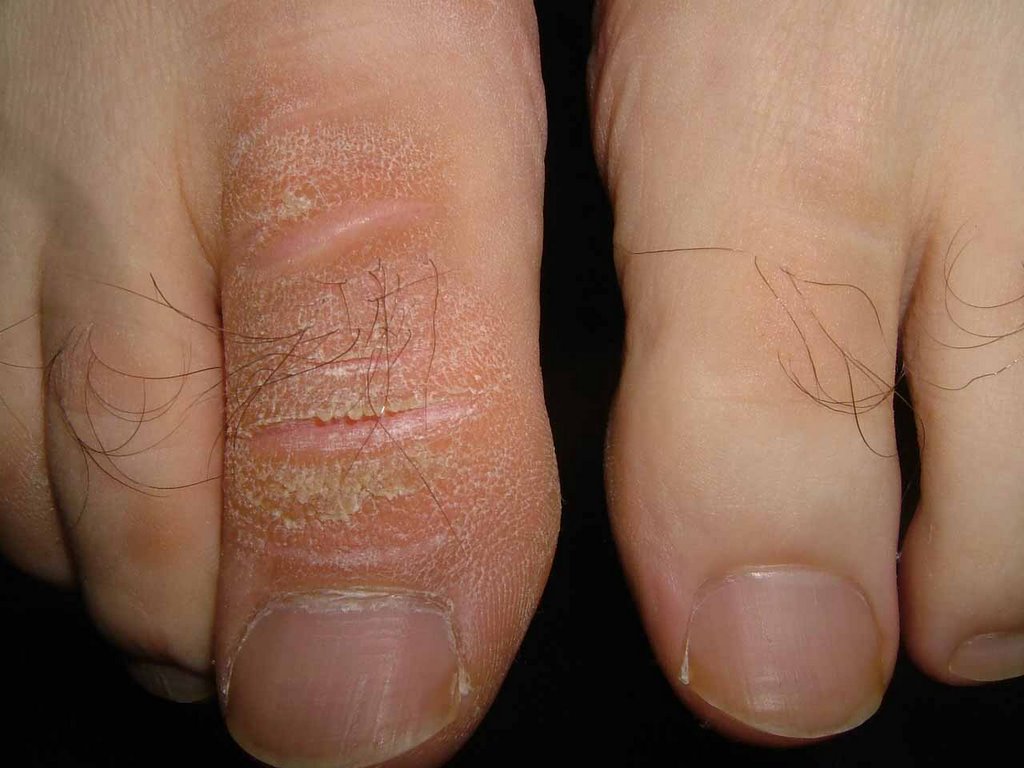
Localized Hyperkeratosis

39 yo man with > 15 year hx of localized hyperkeratosis of right great toe. No unusual trauma to area. He's used mostly over the counter emollients without much help.

Are you aware of any localized forms of hyperkeratosis?

I have started him on Salex cream.

Pictured below are his affected right and normal left great toes.

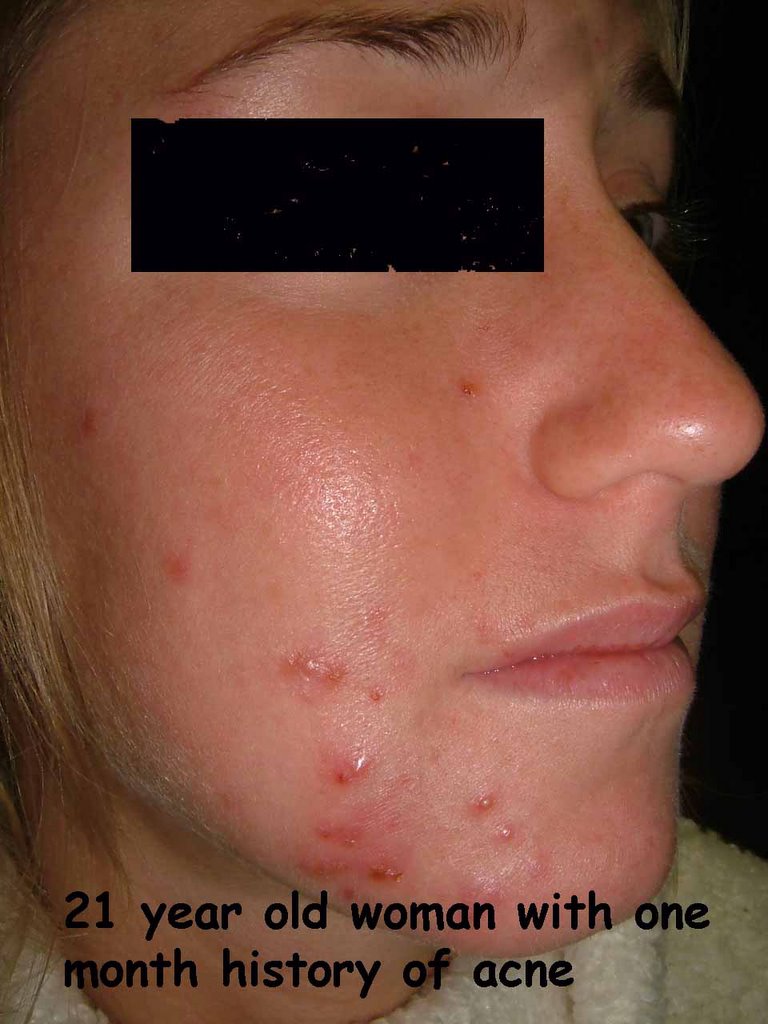
Recent Onset Acne in Young Woman


This 21 yo woman experienced the sudden onset of acne one month ago.
No new med. No unusual stresses.
She has never had acne like this before.

Do you think this is a mild case of pyoderma faciale rather than typical acne?

Monday, October 31, 2005

BCC Scalp


The patient is a 75 yo man with a three month hisory of a lesion at the vertex of the scalp.
Exam: Man with Type II - III skin. 2 x 1.6 cm diameter erythematous plaque scalp. There are some small crusted areas.
Biopsy shows superficial BCC.

Question: Is Aldara appropriate?
C + E will take ages to heal.
Excision could n ot be closed without a graft or a flap.

Wednesday, October 26, 2005

19 year old student with acneiform eruption


History: 19 year-old man with a 5 year history of acneiform eruption predominately on torso and proximal extremitiesl Some facial involvement, but less than on torso. He is in good health, no history of diabetes or steroid use. No antibiotics for months. In the past he has used benzoyl preoxide ceams and washes, topical retinoids, topical antibiotics and tetracycline and its derivatives. Mome has ever helped.

Exam: Healthy young man with Type IV skin. On torso and proximal extremities he has discrete erythematous papules and an occasional pustule. No cysts. Face largely clear.


Lab: nil

Pathology: Initial reading showed marked perifollicular lymphoneutrophilic infiltrate c/w acute folliculitis. PAS negative.


Diagnosis: Probable Pityrosporon folliculitis

Discussion: Are the yeasts incidental or indicative of pityrosporum folliculitis. I asked for more cuts and this showed numerous PAS (+)"fungal spores" in the follicular ostia.
I have started him on itraconazole 200 mg per day and Nizoral 2% shampoo to torso. The literature does not have good guidelins for how to treat this; but I suspect 4 - 6 weeks woth oral meds.
Please suggest diagnostic and therapeutic alternatives.

Thursday, October 20, 2005

Atypical Nail Pits


Case for Discussion:
This 40 year-old woman presented for evaluation of a nail dystrophy present for 2-3 months.
She has a history of Hashimoto's thyroiditis. About 9 months ago she developed vitiligo.
Her health is otherwise normal
Meds. Synthyroid and iron
Lab: Thyroid Perox AB 248 (Nl. 0 - 34 IU/ML)
ANA < 1:40

Physical Exam:
Vitiligenous patches left neck and left upper back
Around 4 finger nails show a distinctive pitting. The pits are fairly uniform and the affected nails are rough and lusterless. There are no cutansous lesions of psoriasis.

Discussion and Questikon:
The picture is atypical for psoriatic nail pits but that is not excluded.
I favor a relationship to the underlying autoimmunity that has caused the Hashimoto's and vitiligo.
The picture is similar to that seen with alopecia areata, but the patient has not has any alopecic patches.
Nail dystrophy has occasionally been described before the development of A. areata. And patients with Hashimoto's thyroiditis have a higher than expected incidence of alopecia areata.
We welcome your thoughts or suggestions.